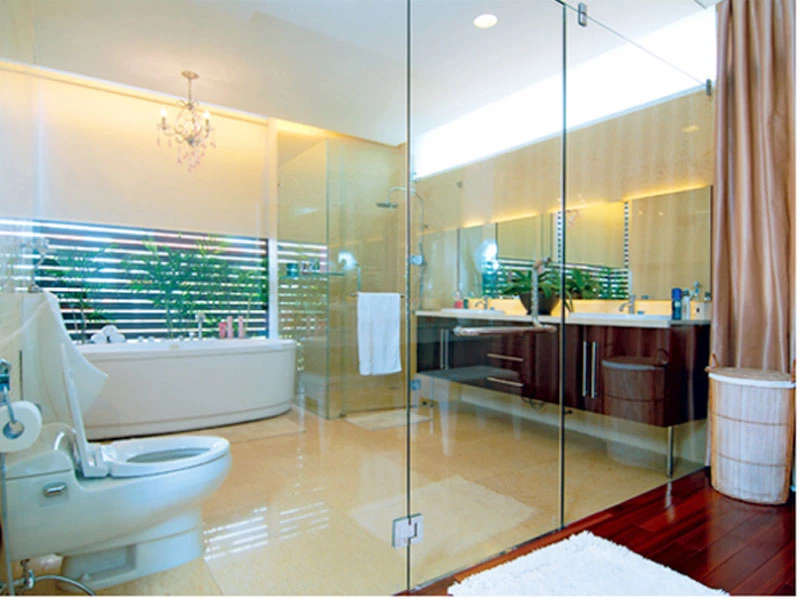
VSG glass for civil construction
VSG glass is high-quality, safe, and durable, suitable for civil construction projects, enhancing aesthetics and providing effective sound insulation.
VSG glass in civil engineering: Characteristics and applications
VSG (Vietnam Tempered Safety Glass) is a type of safety glass manufactured using heat tempering technology, which enhances its durability and strength compared to ordinary glass. In civil construction, VSG glass is widely used due to its safety, aesthetics, and excellent strength, suitable for various types of buildings from homes and offices to commercial areas. A key feature of VSG glass is its high impact resistance; when broken, it doesn't form sharp shards but shatters into small, rounded particles, minimizing the risk of injury to users.
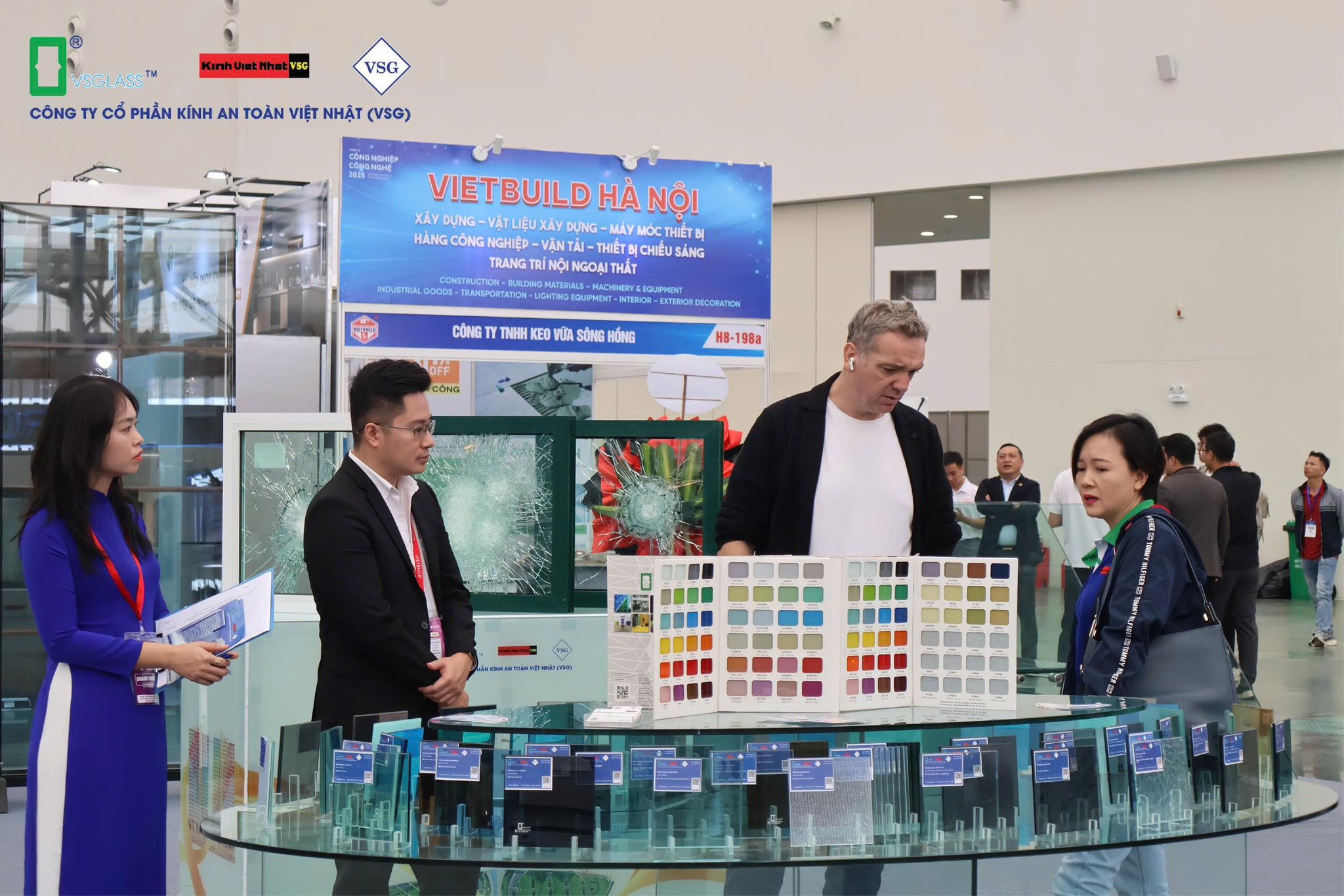
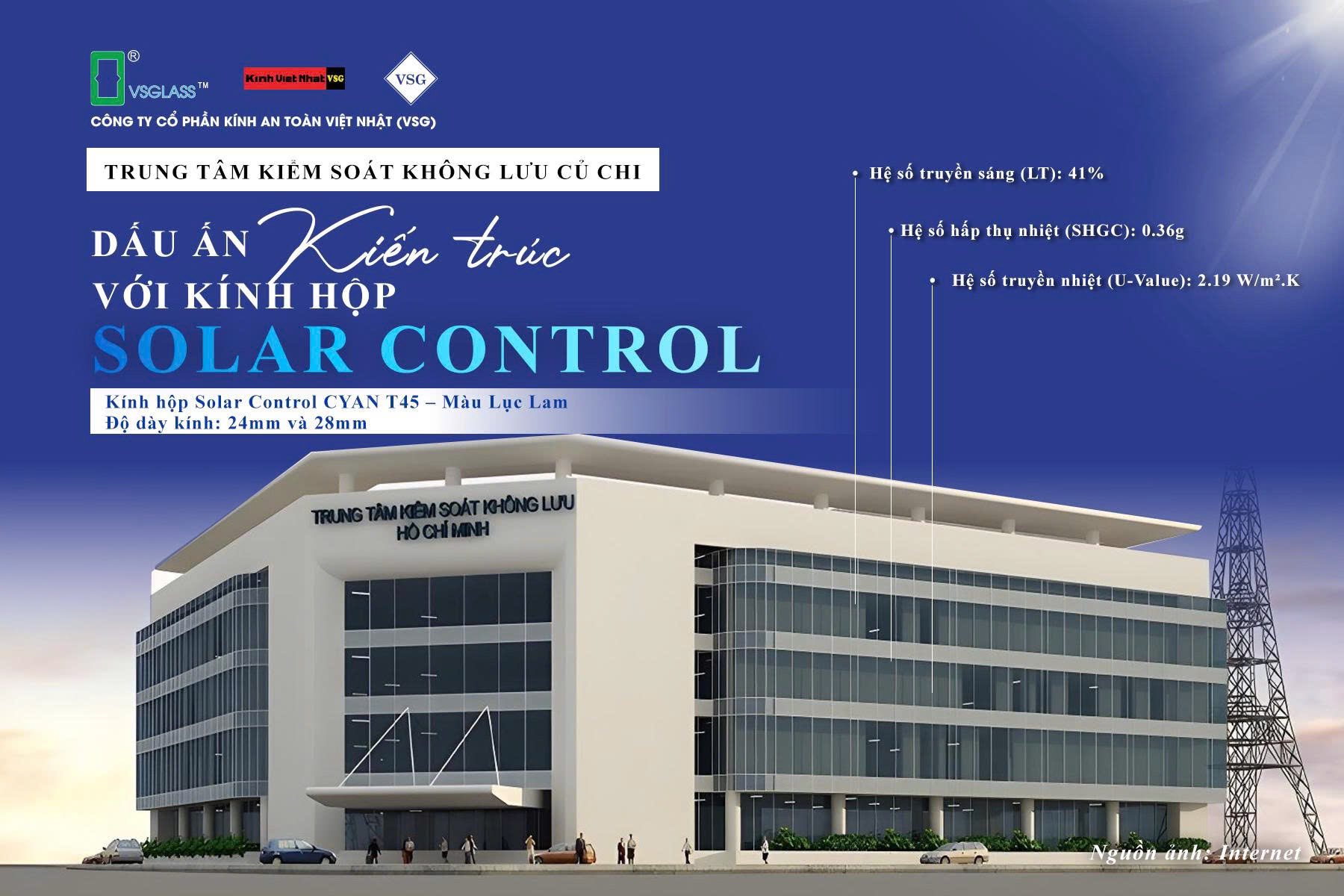
The use of VSG glass in civil construction not only enhances safety but also contributes to improved aesthetics and energy efficiency. VSG glass can be combined with other types of glass such as reflective glass, insulated glass, or colored glass to meet diverse technical and design requirements. Furthermore, VSG glass has excellent heat resistance, making it suitable for harsh climates and buildings requiring high levels of sound and thermal insulation.
VSG Glass Technical Standards and Manufacturing Process
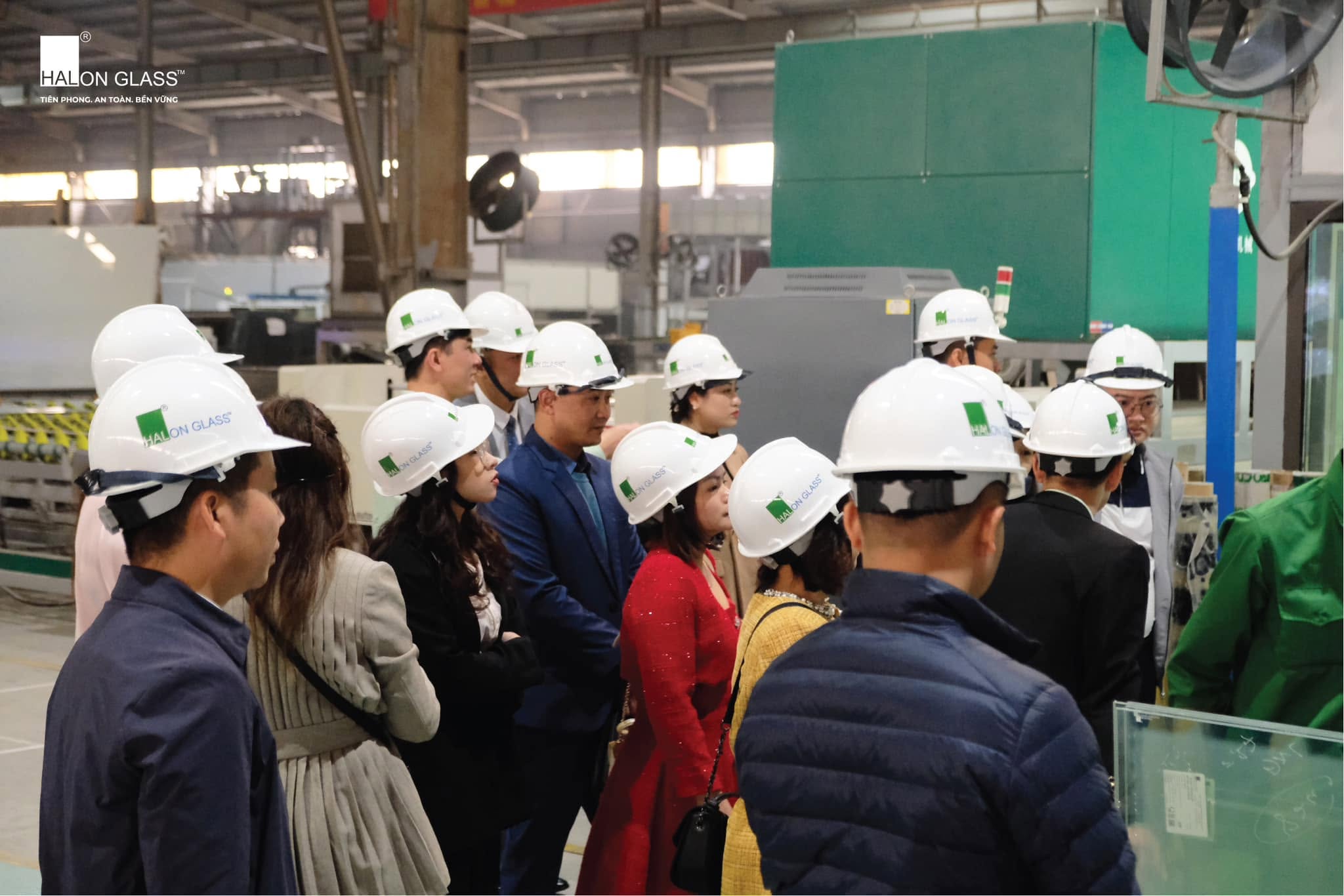
VSG glass is manufactured using a rigorous process to ensure the highest quality and safety. The process begins with selecting high-quality float glass raw materials, which are then cut to the required size and subjected to a tempering furnace at a temperature of approximately 600-650 degrees Celsius. The rapid, sudden cooling process creates compressive stress on the glass surface, increasing its strength and impact resistance.
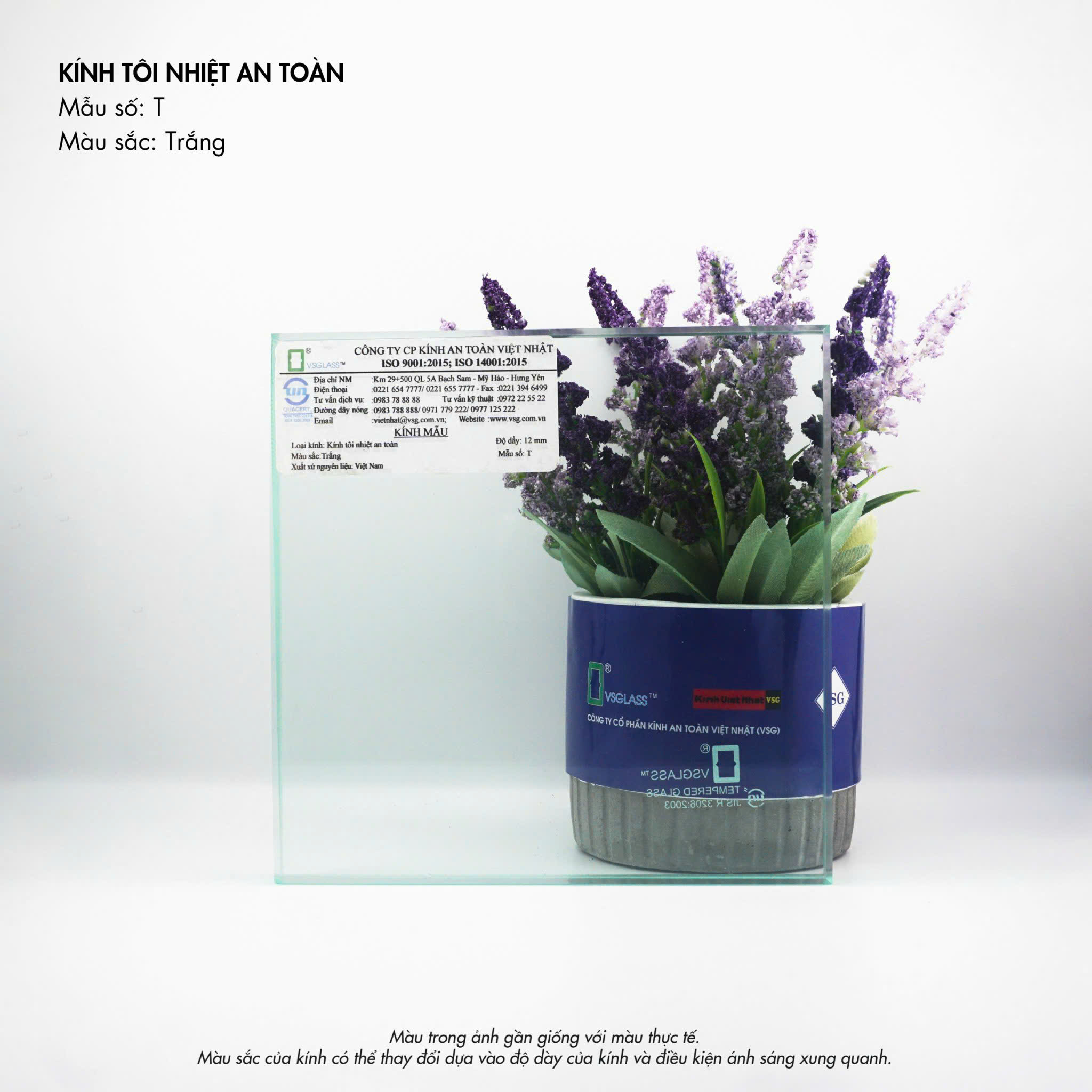
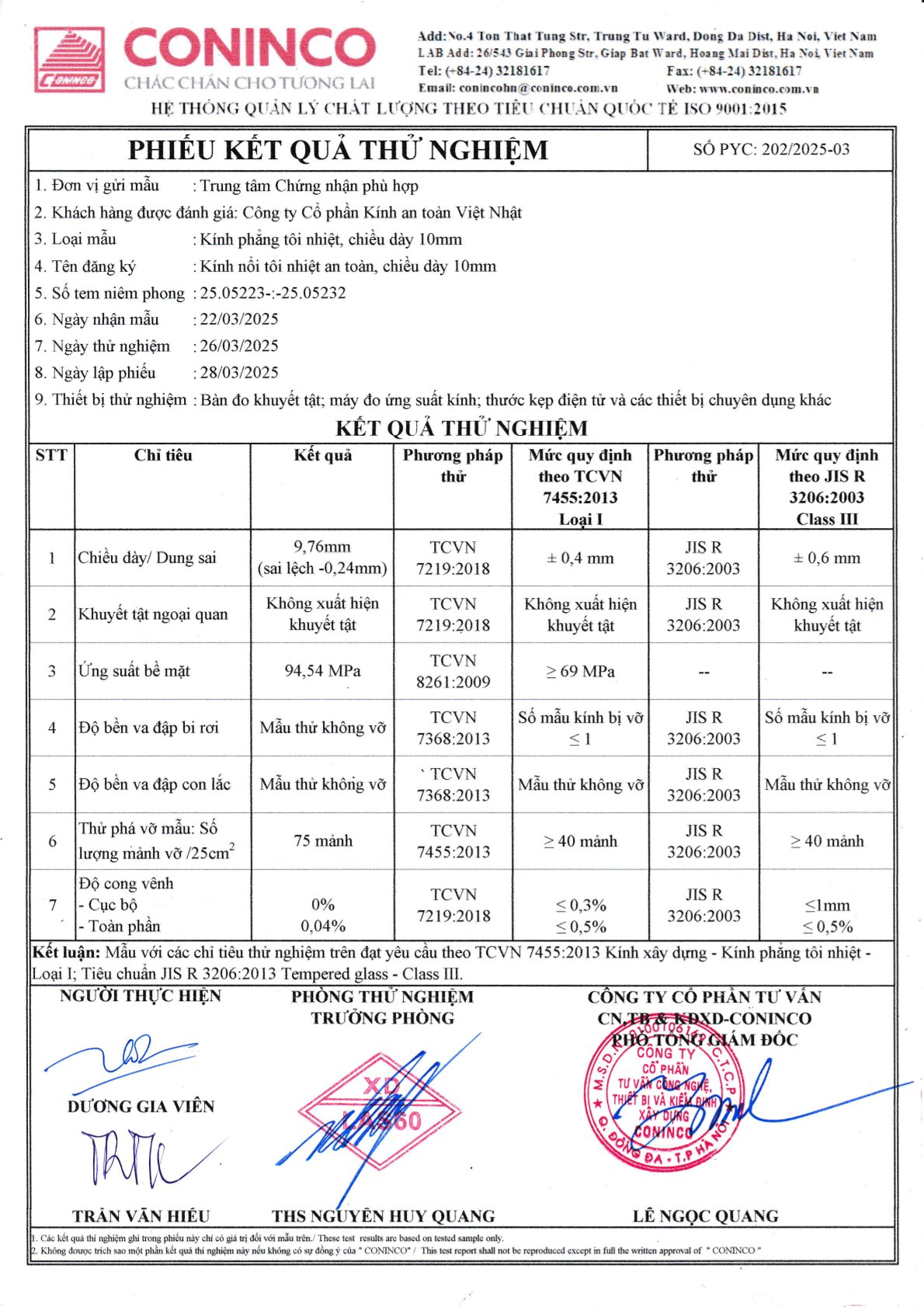
The technical specifications of VSG glass typically comply with international regulations such as ASTM C1048, EN 12150, or TCVN 7455:2013 on tempered safety glass. Key indicators include:
- Glass thickness: commonly ranges from 5mm to 19mm, depending on project requirements.
- Impact resistance: 4 to 5 times higher than ordinary glass.
- Heat resistance: withstands sudden temperature changes up to 200 degrees Celsius.
- Safe when broken: it shatters into small, non-sharp particles, reducing the risk of injury.
VSG glass quality testing includes impact testing, thermal testing, and surface stress testing to ensure the product meets standards before being used in civil construction projects.
Applications and benefits of VSG glass in civil engineering projects.
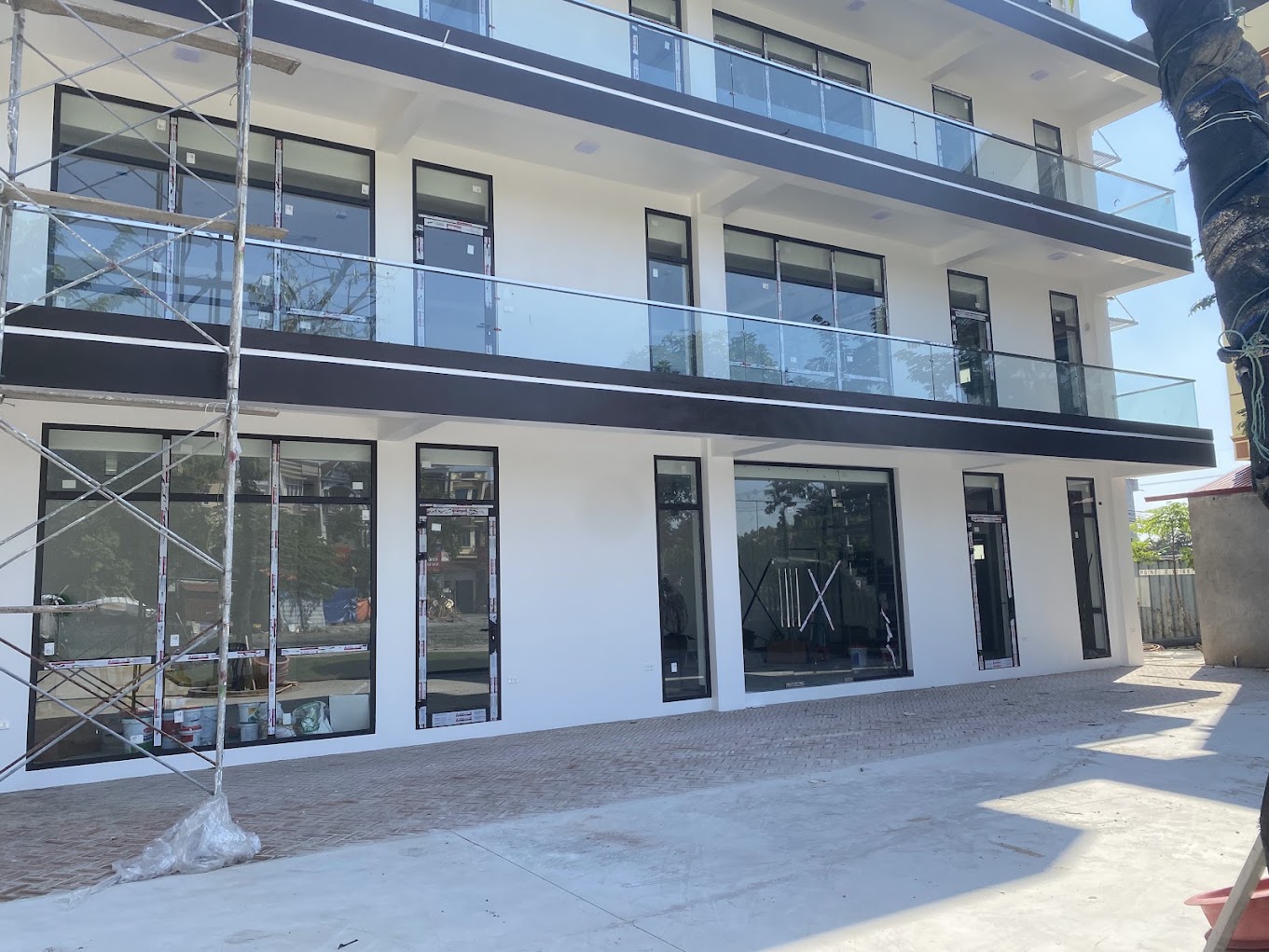
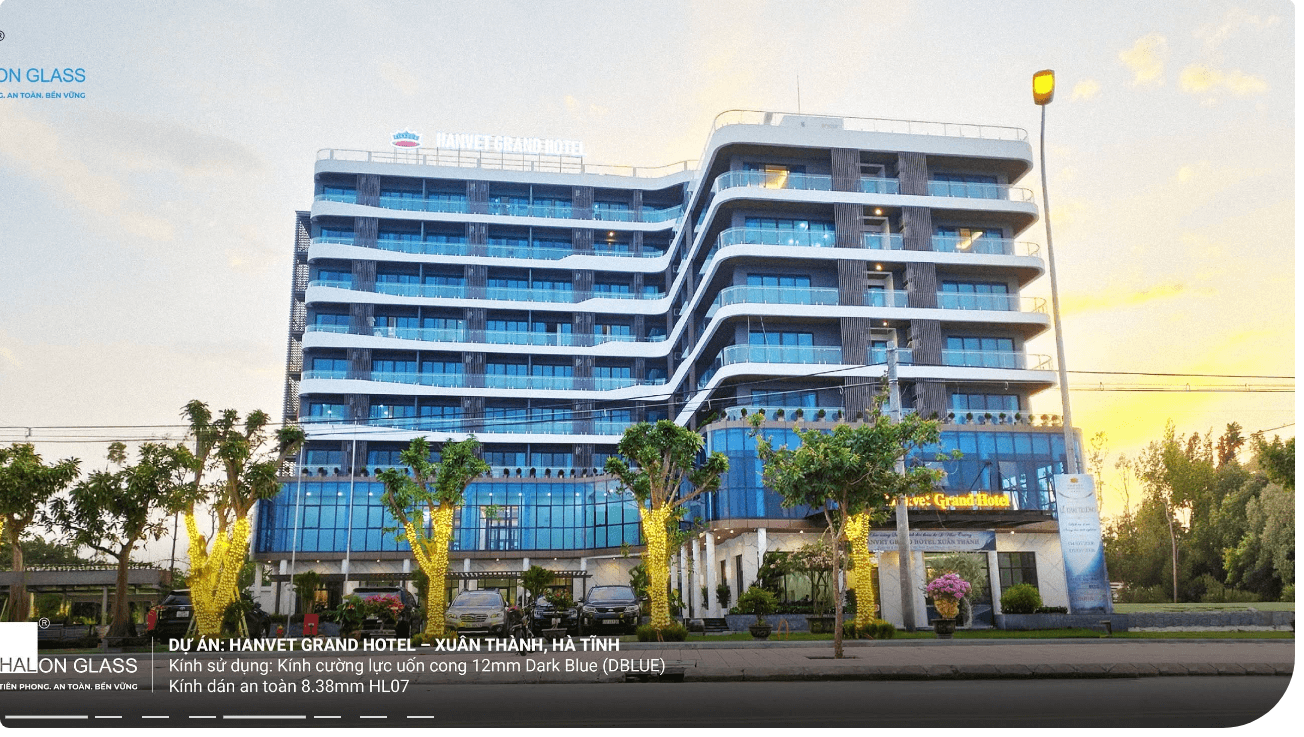
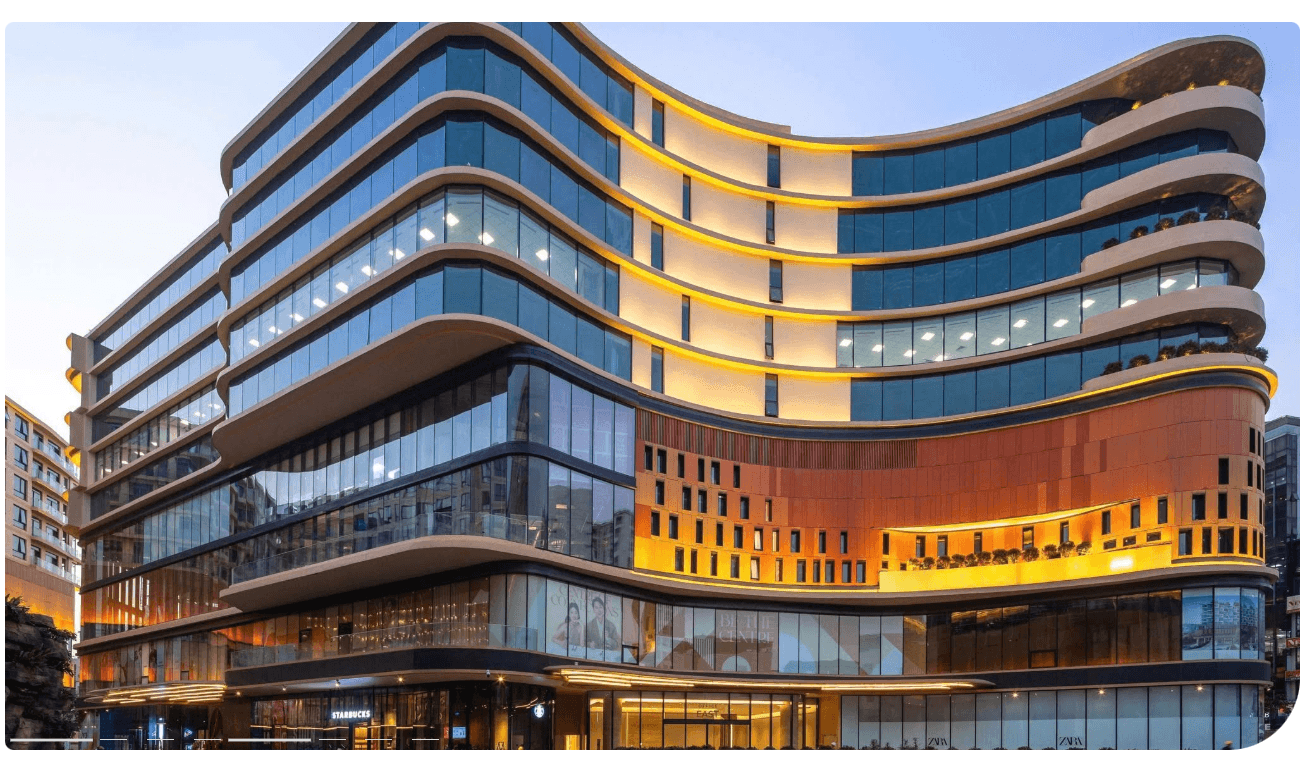
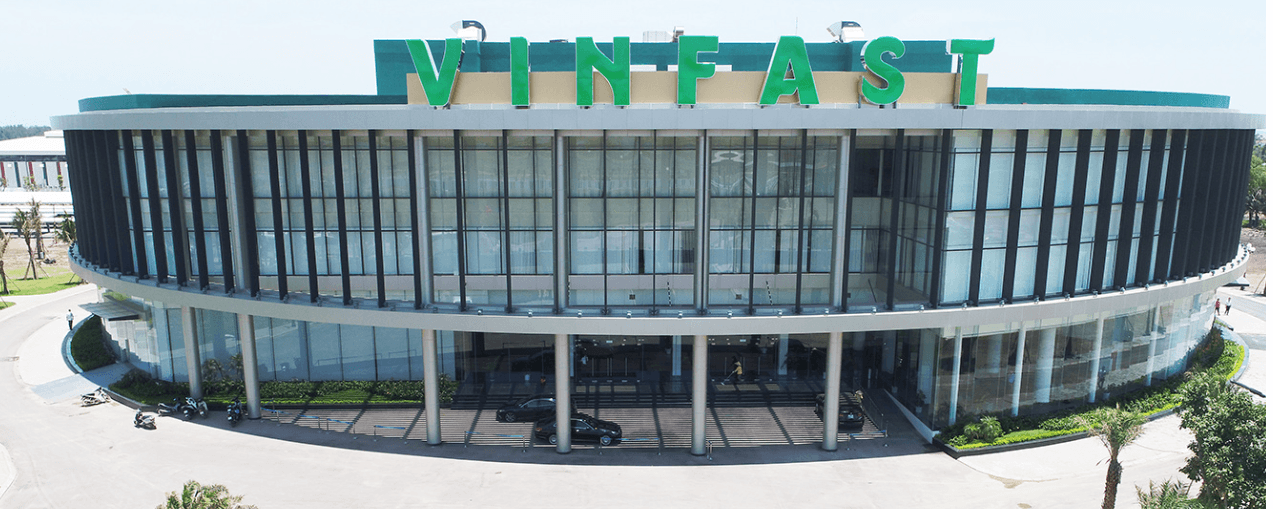
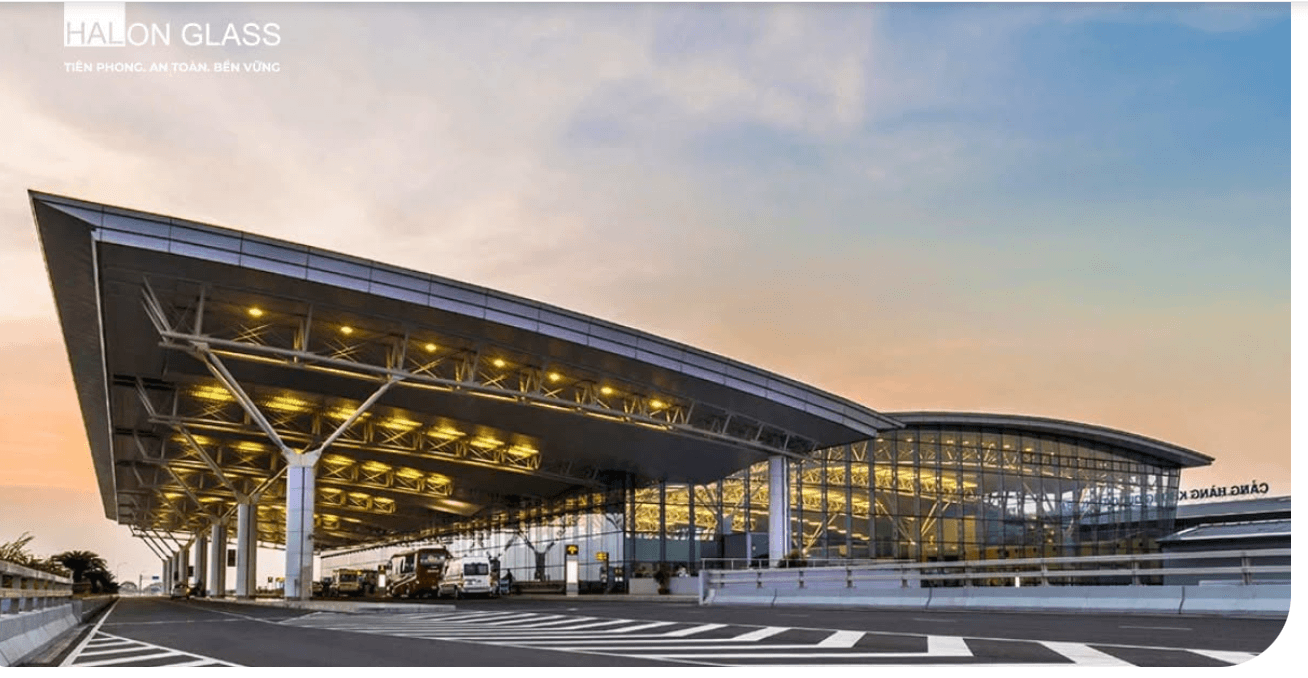
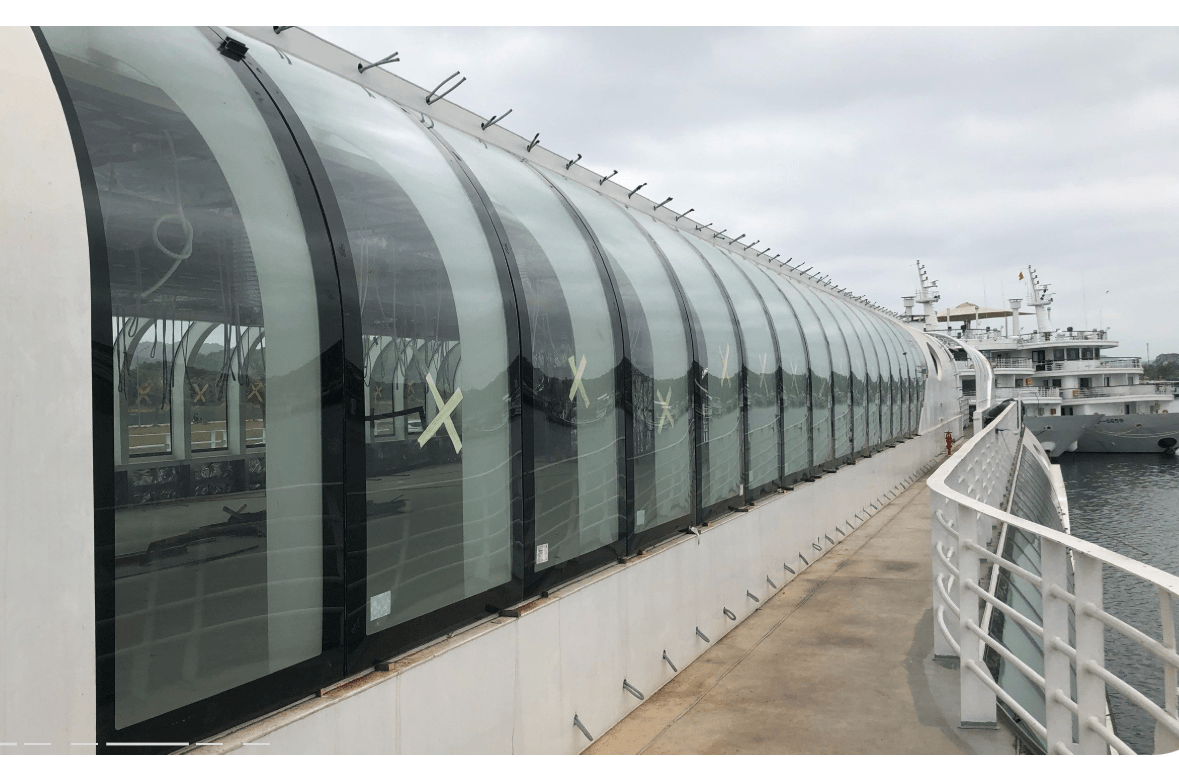
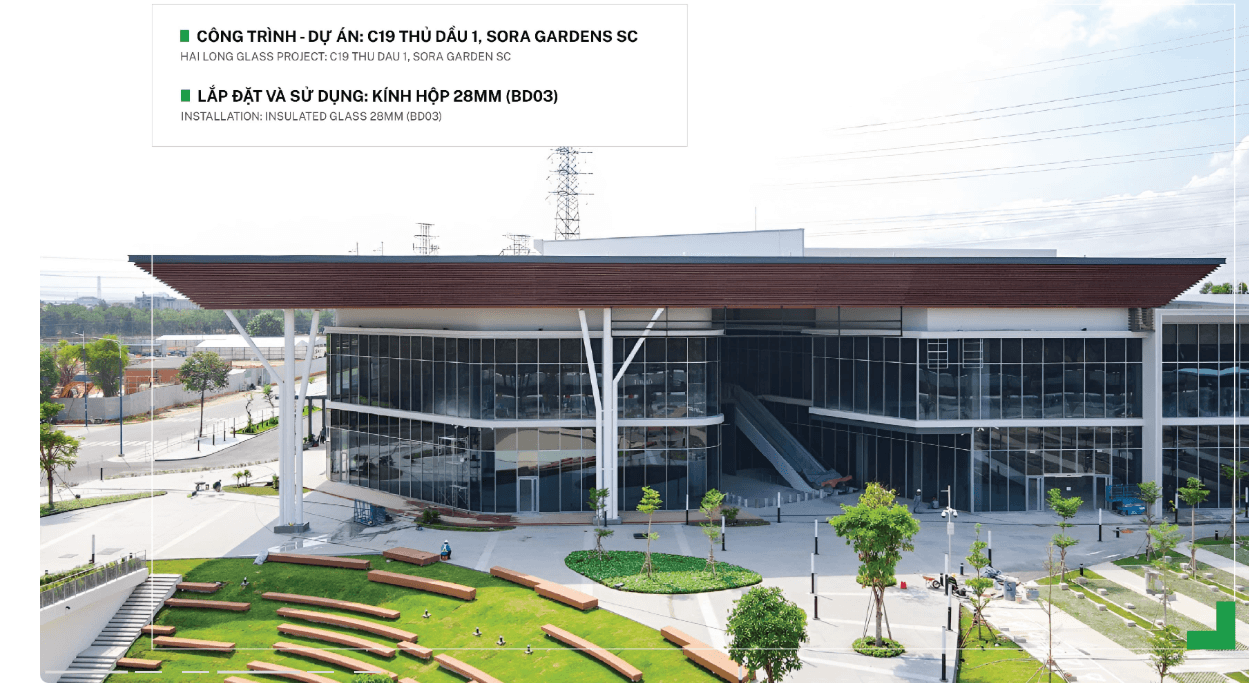
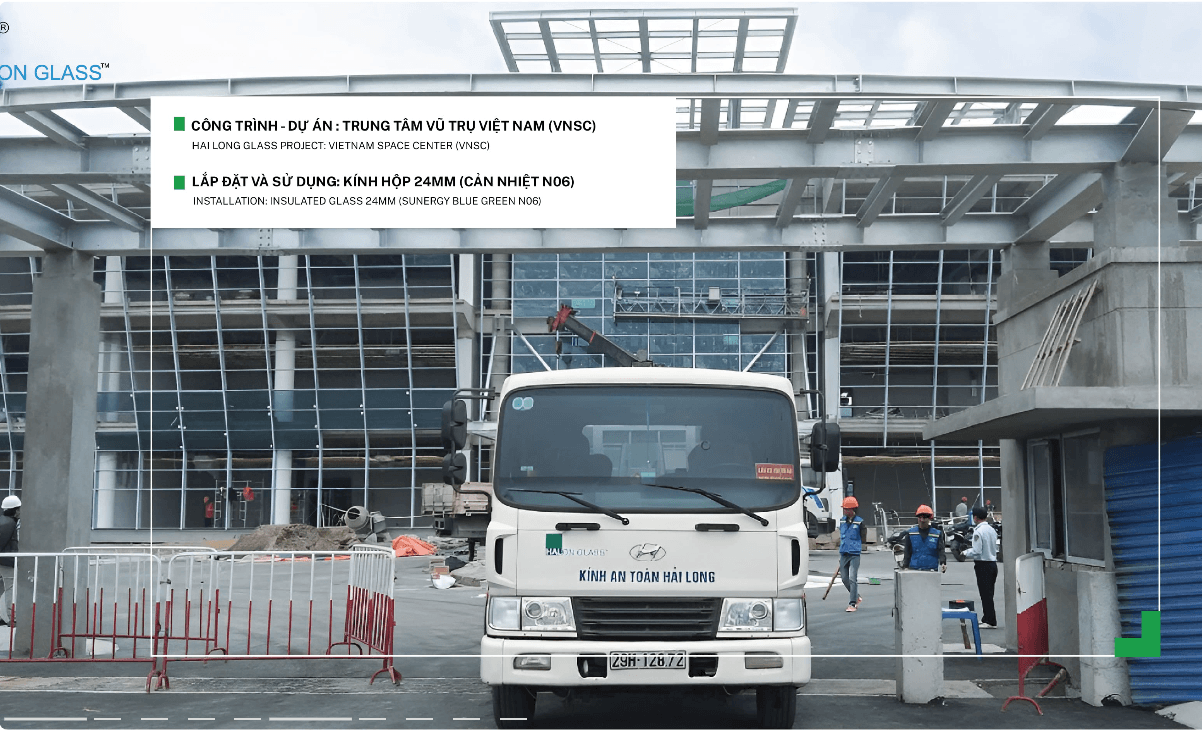
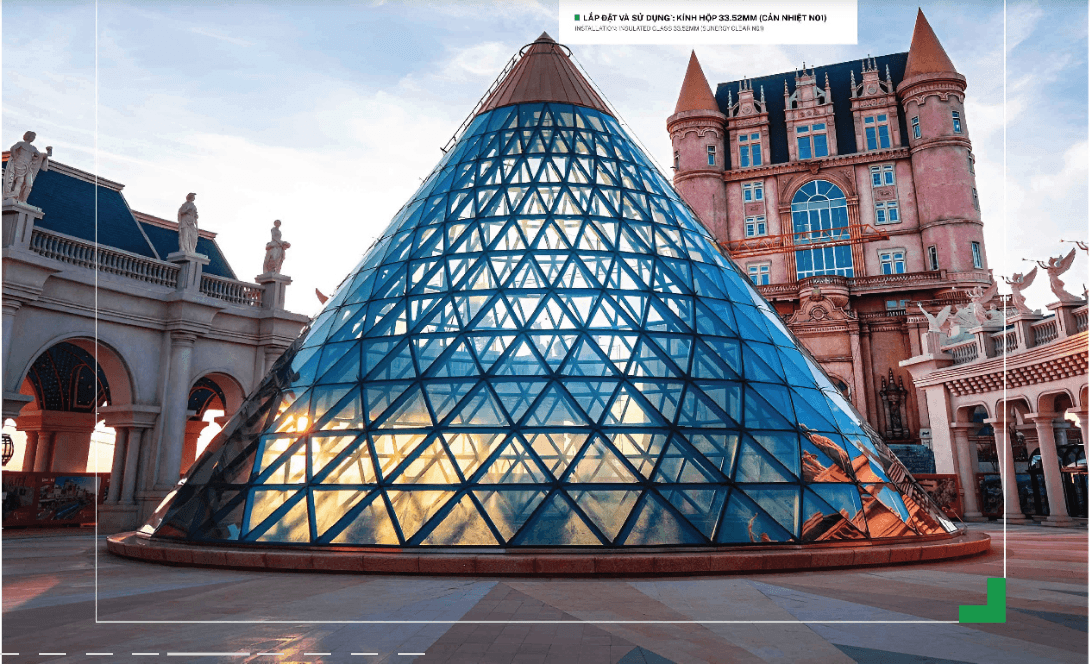
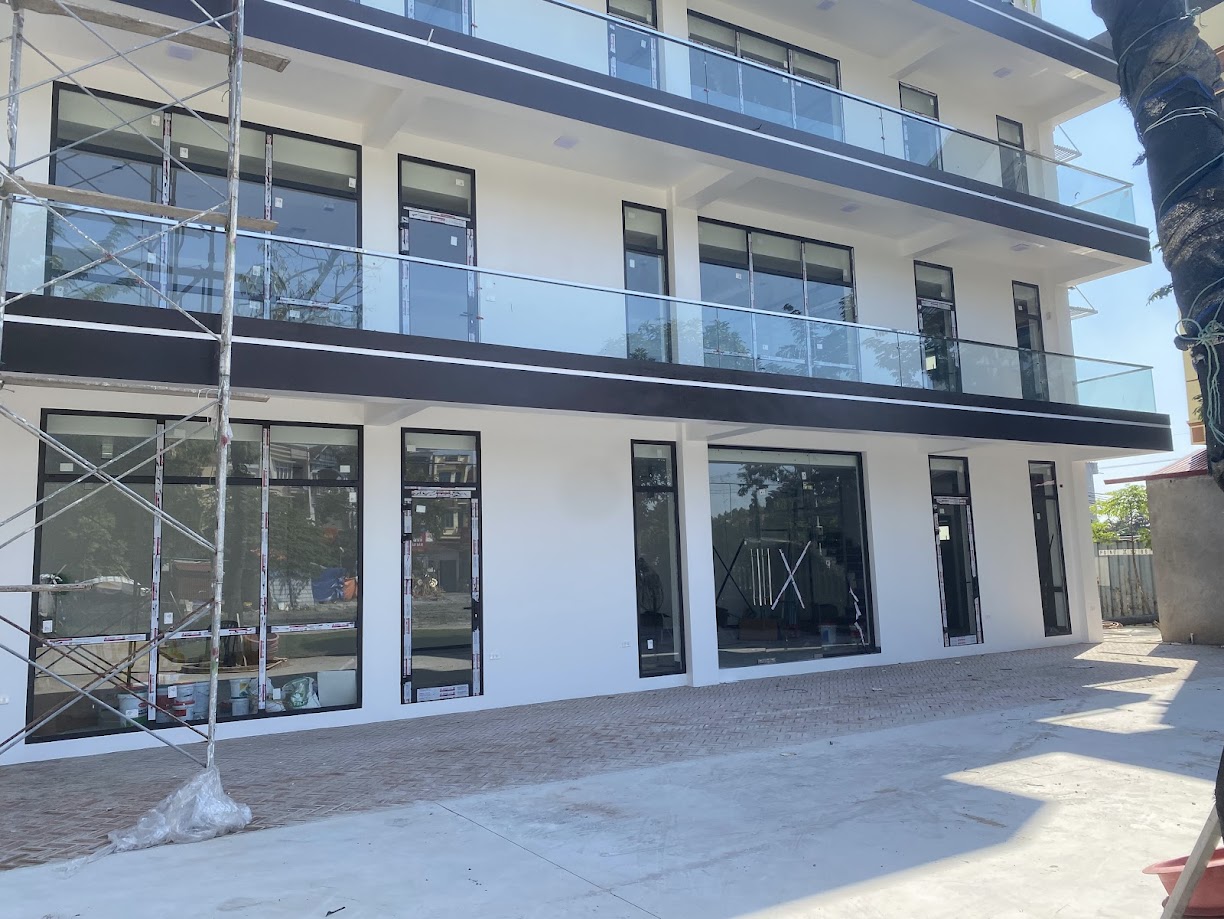
VSG glass is widely used in civil construction projects for various applications such as glass doors, glass partitions, glass curtain walls, glass staircases, railings, glass roofs, and skylights. These applications not only enhance aesthetics but also optimize functionality, creating open spaces and effectively utilizing natural light.
The outstanding benefits of VSG glass include optimal safety due to the minimized risk of breakage, high strength and heat resistance, resulting in lower maintenance costs. In addition, the glass offers diverse designs, easily combining with other types of glass to create aesthetic and thermal effects, contributing to energy savings. The flat surface of the glass also makes cleaning and maintenance more convenient.
Diverse applications in architectural design
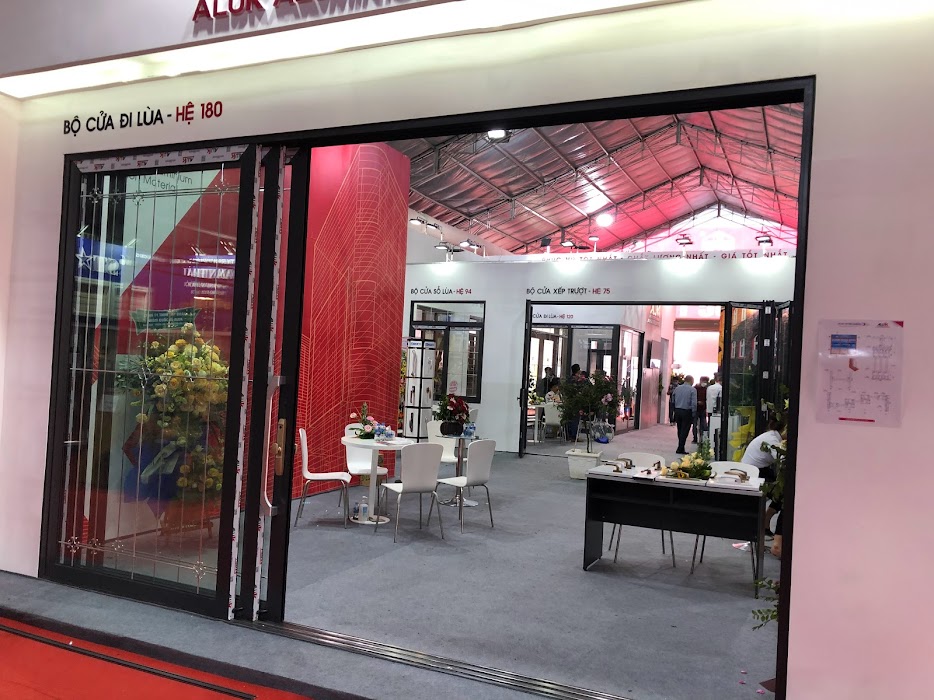
VSG glass is widely used in many aspects of civil engineering projects, such as:
- Glass doors and glass partitions: ensuring safety and high durability for doors, windows, and interior partitions.
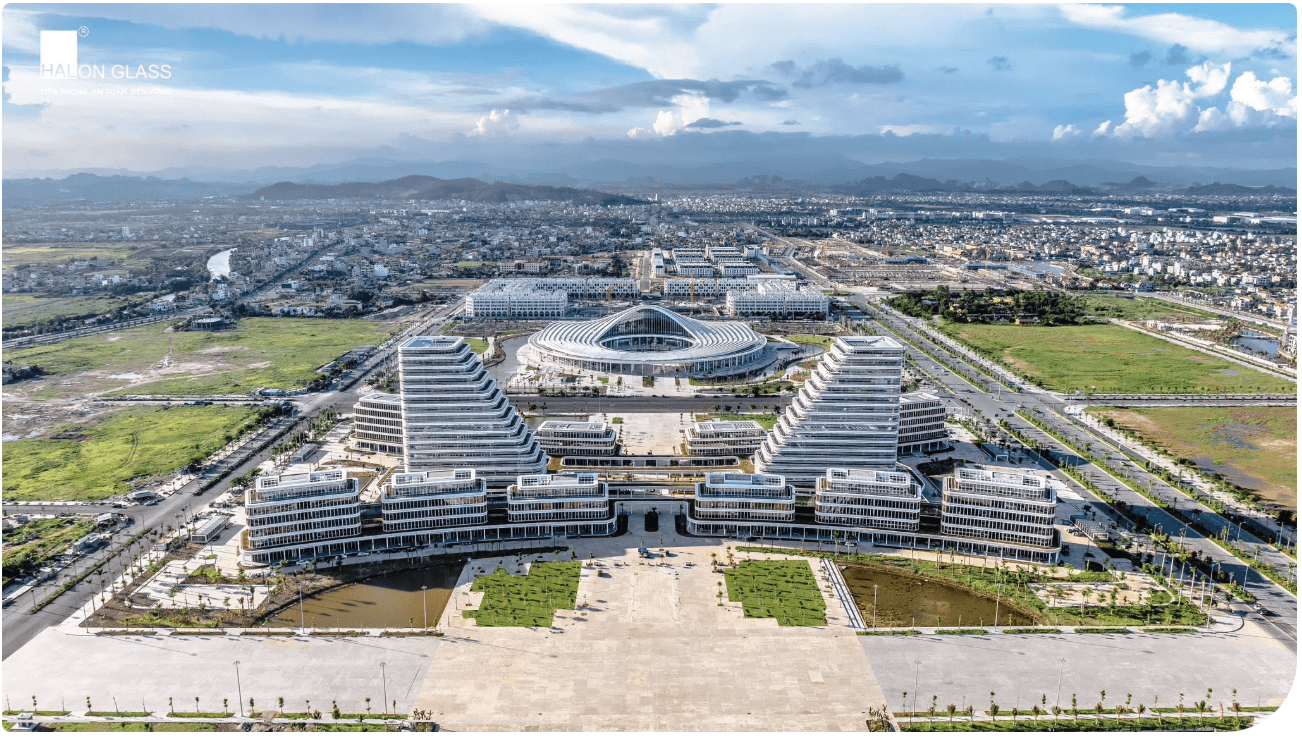
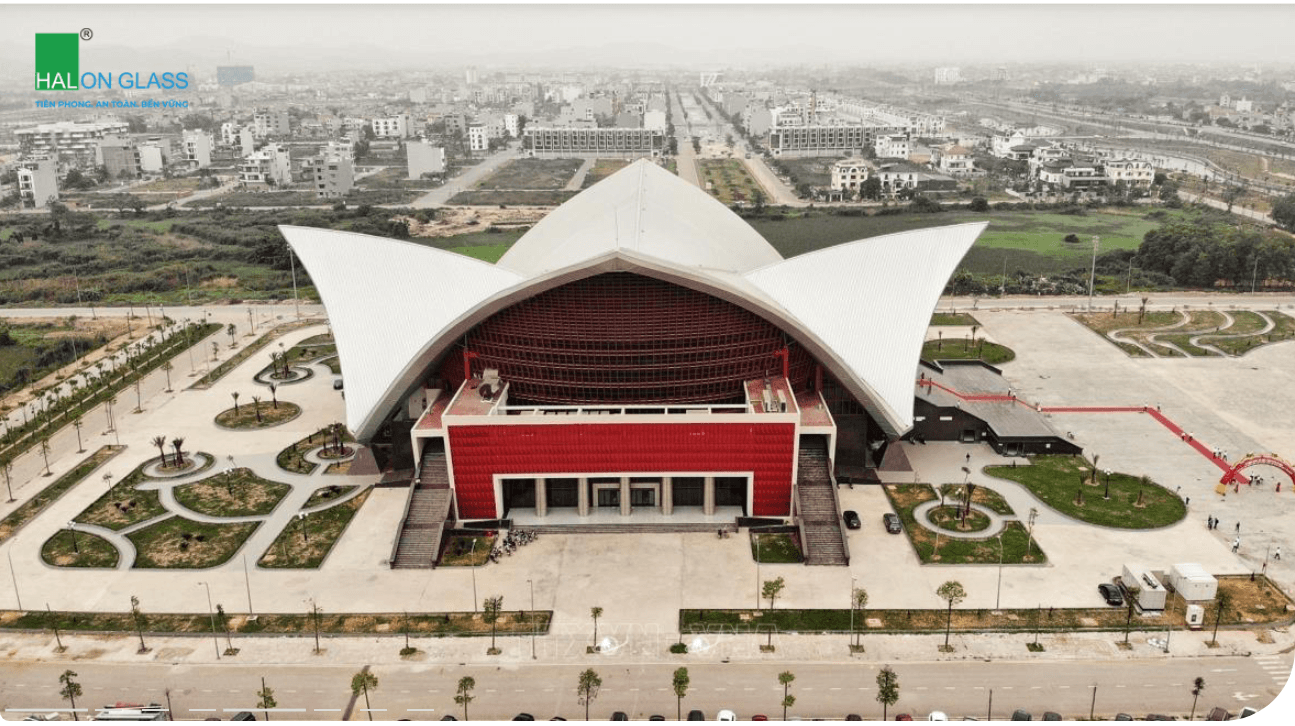
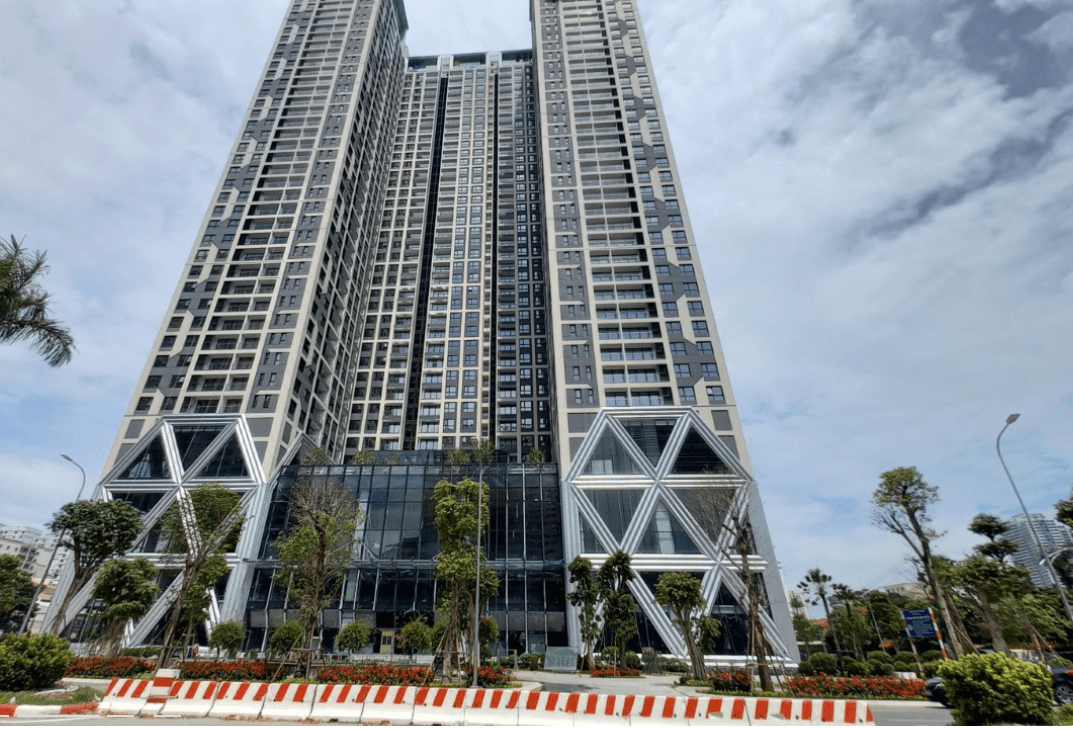
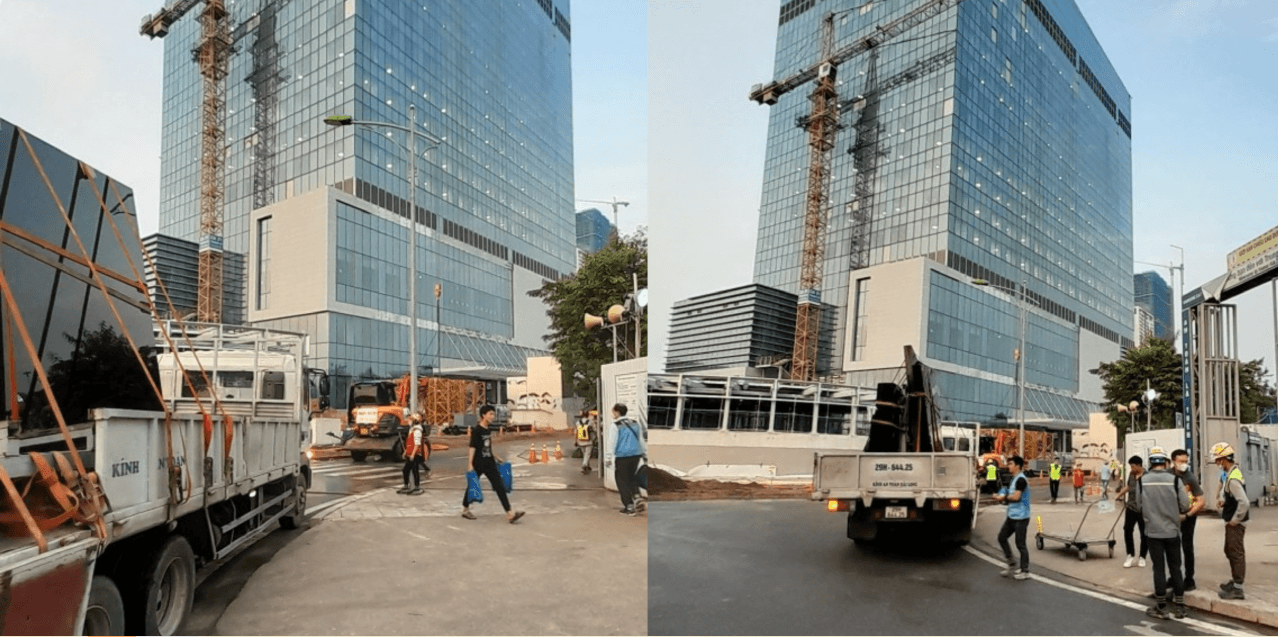
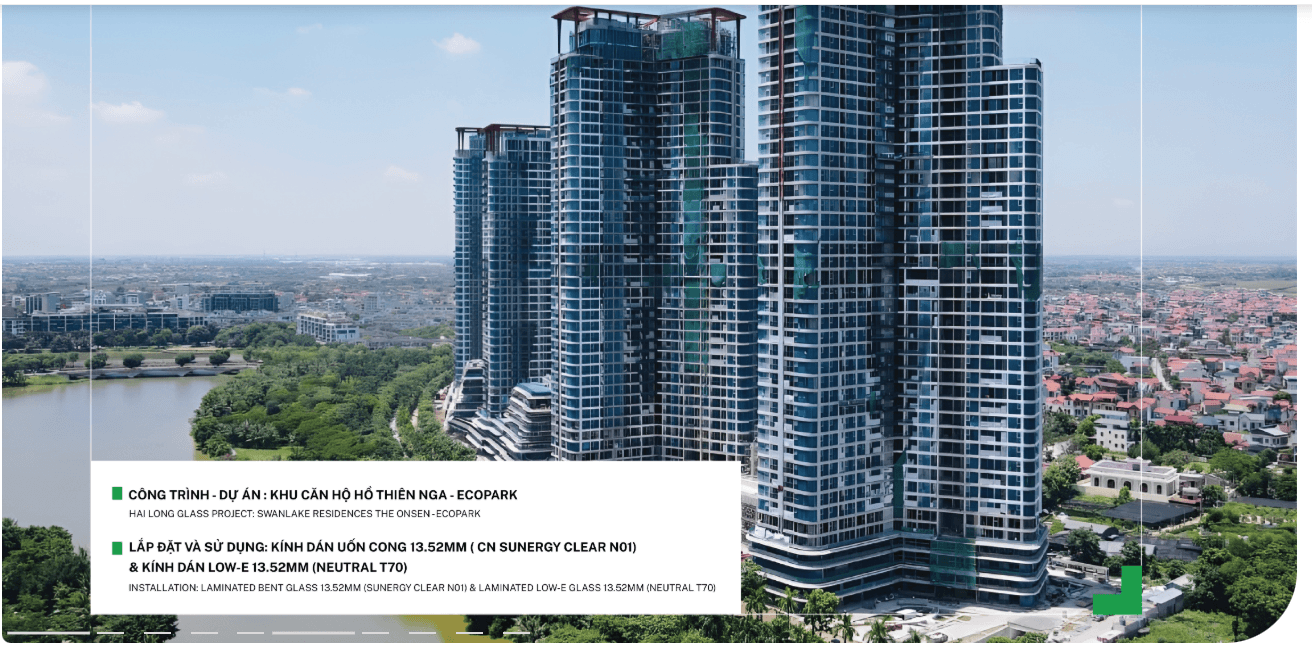
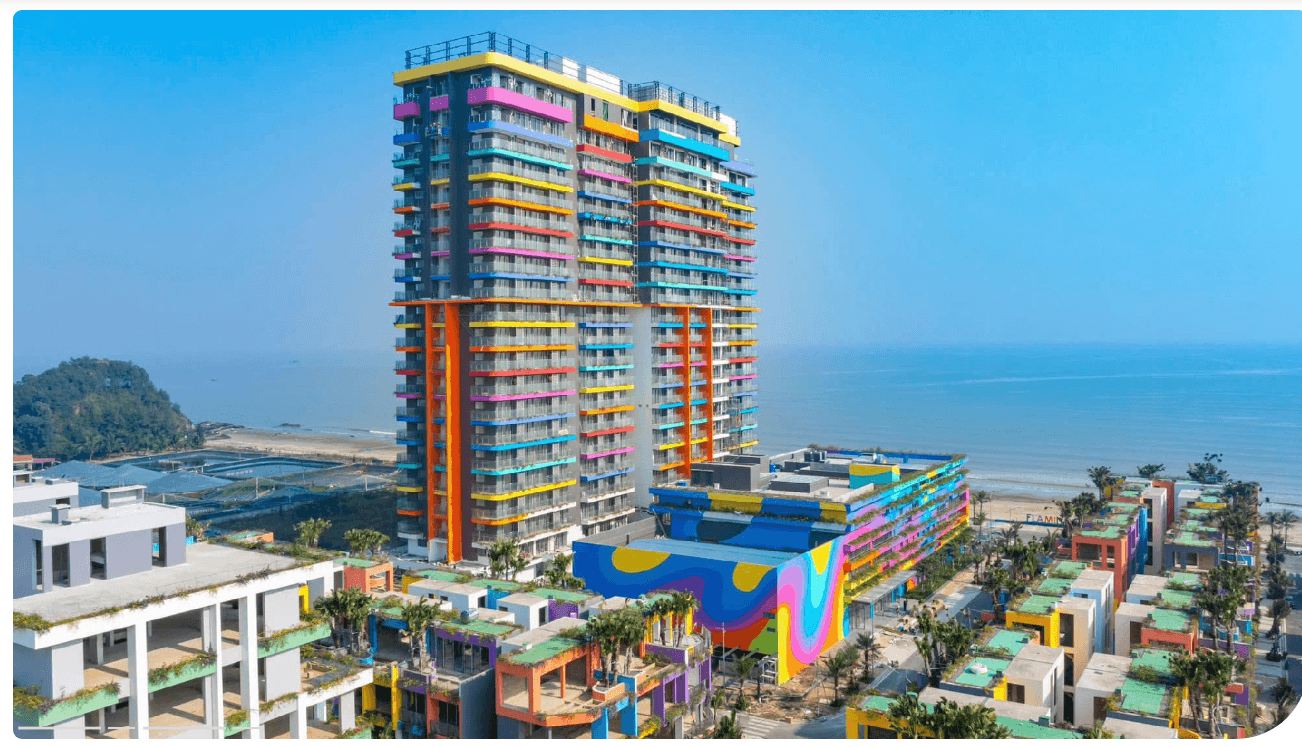
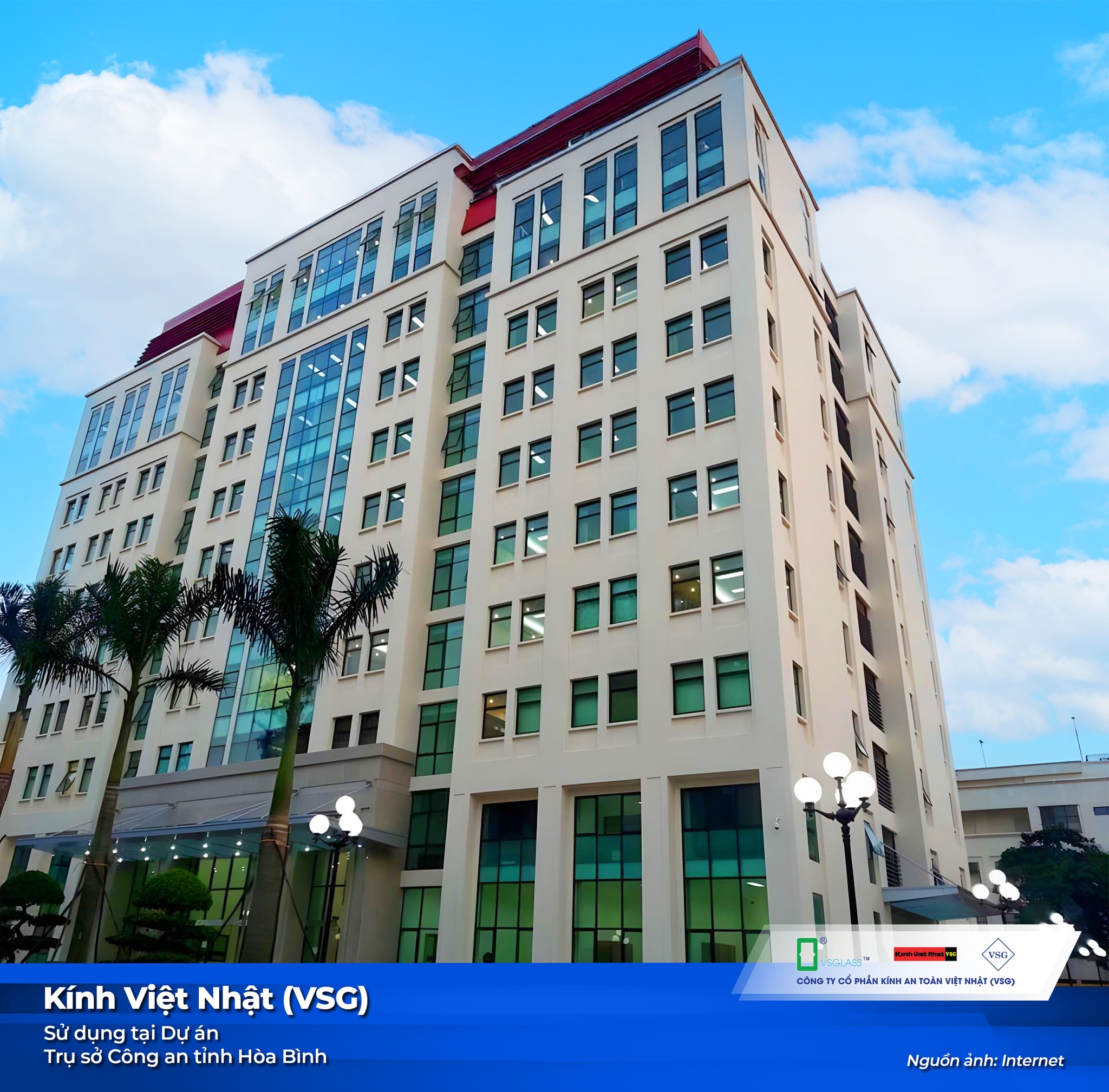
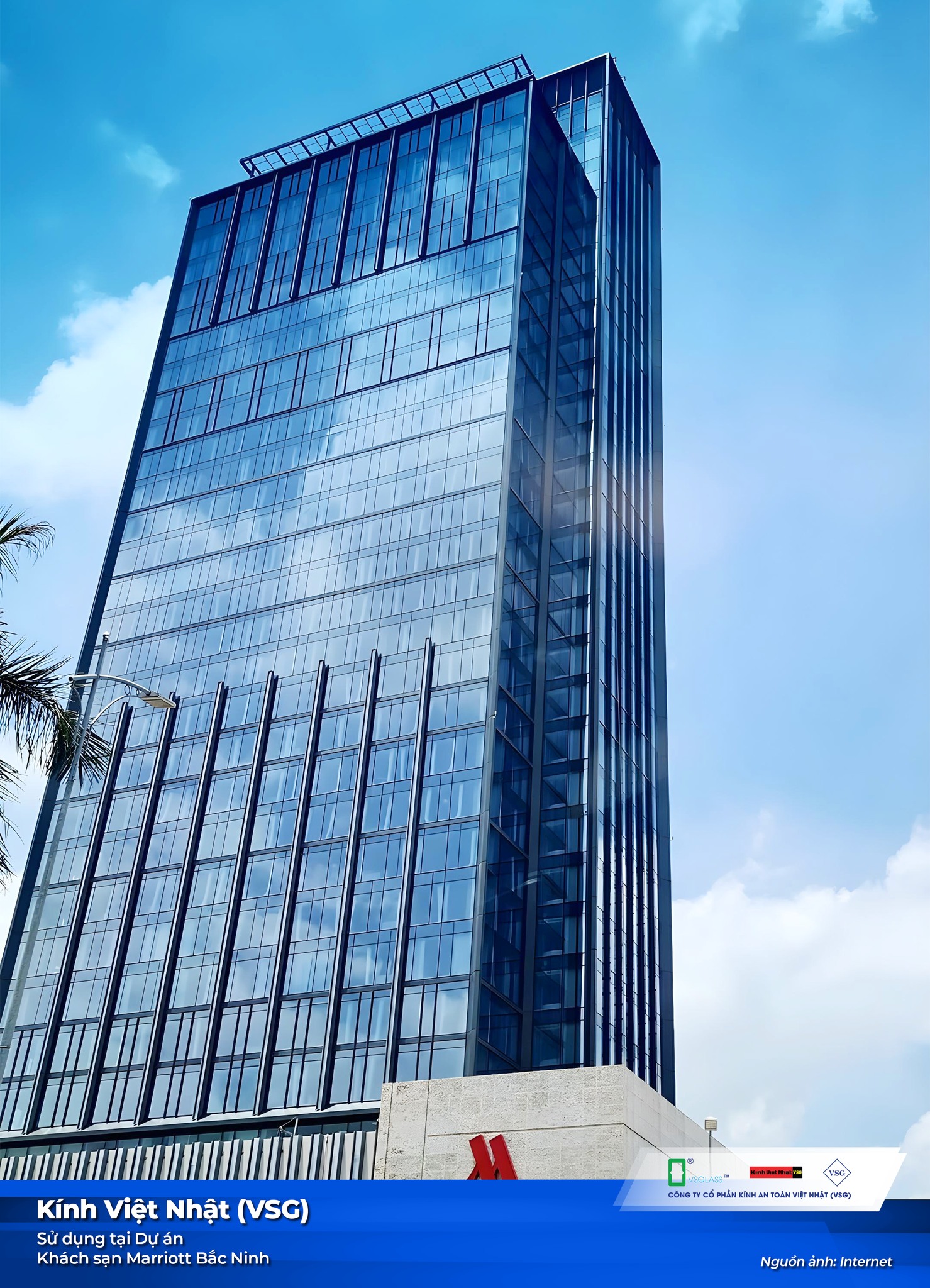
- Glass curtain walls : create modern, luxurious facades with good load-bearing capacity for high-rise buildings or villas.
- Glass staircases and railings: ensuring safety while creating a sense of open, airy space.
- Glass roofs and skylights: utilize natural light, enhance aesthetics, and save energy for the building.
The outstanding benefits of using VSG glasses.
The use of VSG glass in civil construction offers many practical benefits such as:
- Optimal safety: minimizing the risk of injury from broken glass, especially important in areas with high foot traffic or children.
- High durability: its strength and heat resistance help the glass maintain long-term performance, reducing maintenance and replacement costs.
- Aesthetic appeal and design versatility: VSG glass can be combined with many other types of glass to create color, reflective, or thermal insulation effects, suitable for a variety of architectural styles.
- Energy saving: when combined with heat-insulating glass, VSG glass helps minimize heat loss, contributing to lower electricity costs for air conditioning systems.
- Easy to clean and maintain: the glass surface is flat, stain-resistant, and withstands harsh environmental conditions.